
BLOG
The Economics of Wildfire
Every summer, BC burns a little more. In 2023, that meant $720M in losses, mass evacuations, and ecosystems that won’t recover for decades. These events have become increasingly expensive for governments, insurers, and local industry. In California, some insurers are even withdrawing from high-risk areas.
Much of today’s solutions are software-first: flashy predictive models, AI-driven detection, and data platforms that are quick to implement.
But wildfire, at its core, is a physical problem.
Fire spreads through fuel, heat, and wind. To stop it, you need to remove the fuel, change the landscape, and apply water and retardant at scale. AI tools are valuable, but they can’t dig a firebreak, clear fuel, or drop 400 kilograms of water on a hotspot.
Underinvesting in wildfire detection and management has real-world, physical impacts on communities, ecosystems, and the climate. MistyWest and Vancouver Tech Journal recently hosted a HardTech Forum to explore the technologies and land management practices needed to better understand, detect, and contain wildfires. Here’s what the people building solutions had to say.
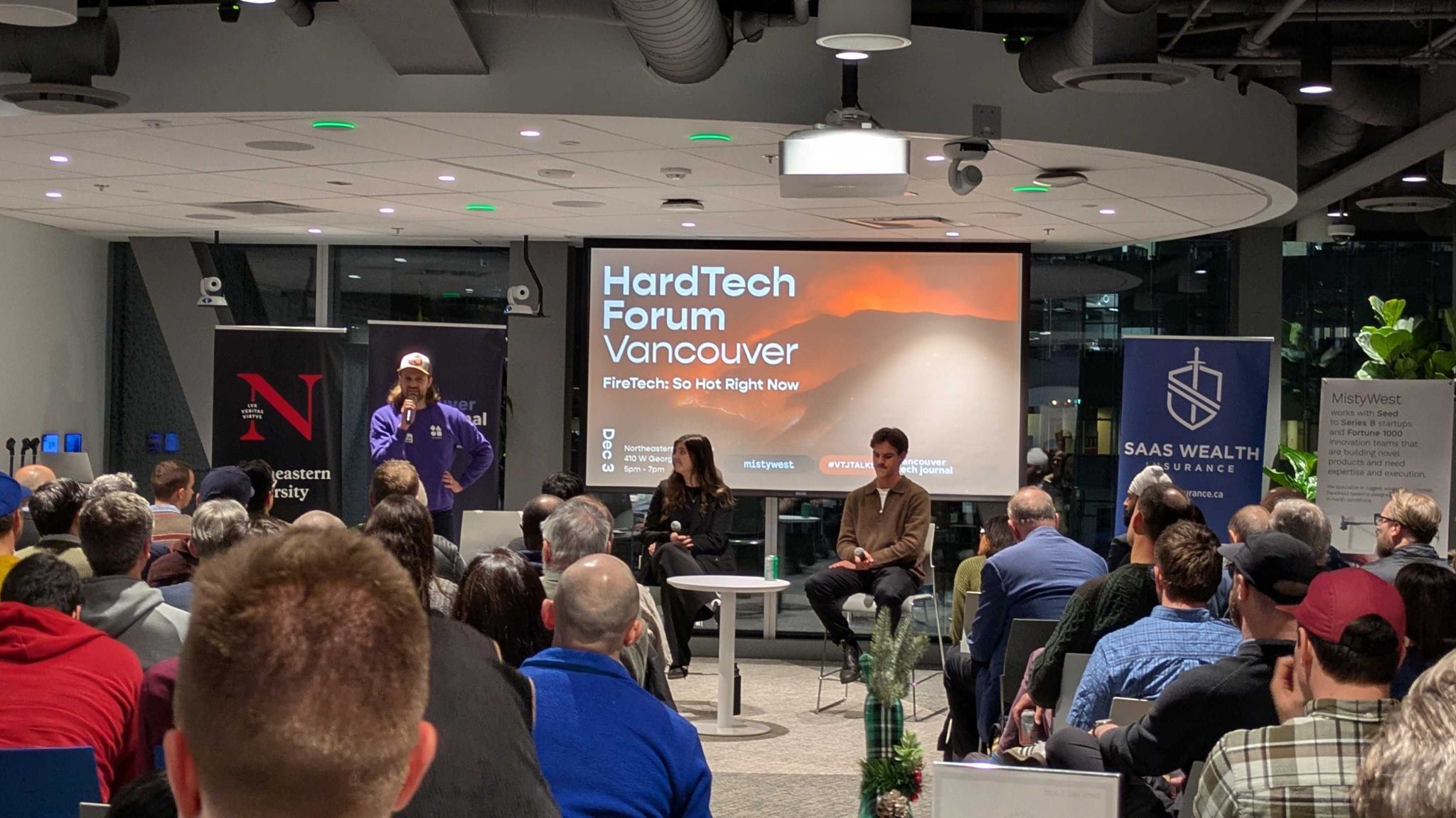
Moderator Dan Millar with speakers Ashley Callister and Scott Gingrich during the first of two panel discussions at FireTech: So Hot Right Now
MistyWest is a hardware product development firm working with Seed to Series B startups and Fortune 1000 innovation teams building low-power, wireless, portable devices that operate in rugged conditions. The Vancouver HardTech Forum, founded by MistyWest in 2015, is the 5th largest hardware community in North America with over 2,000 members. It brings together engineers, founders, and industry experts to tackle the hardest problems in developing and commercializing hardware.
Getting Left of The Bang
Getting left of the bang—acting before the fire starts—requires a fundamental shift in how we manage forests. While earlier snowmelt, hotter summers, and longer droughts exacerbated by climate change contribute to this increase in dangerous and uncontrollable fires—and BC’s fire season has grown by nearly 27 days since the early 2000s—many of today’s extreme wildfires occur due to a century of fire suppression that allowed forest fuels to accumulate.
The risks of underinvesting in wildfire detection and management are more than theoretical. Underground fires, smoldering roots, and hidden embers can reignite days later, and without early detection, entire communities are at risk. Jasper, one of Canada’s most picturesque mountain towns, suffered a 2024 wildfire which forced the evacuation of 25,000 residents and destroyed one-third of its structures.
Envisioning Labs is tackling subterranean fire detection. After a World Wildlife Fund-sponsored project in Malaysia where they buried CO₂ systems and sensors, “our team realized that identifying underground hotspots requires more than single-point detection,” said CEO Oscar Malpica. They are now developing sensor lines along firebreaks and operational zones to help crews confirm areas are truly “cold” and prevent reignition.
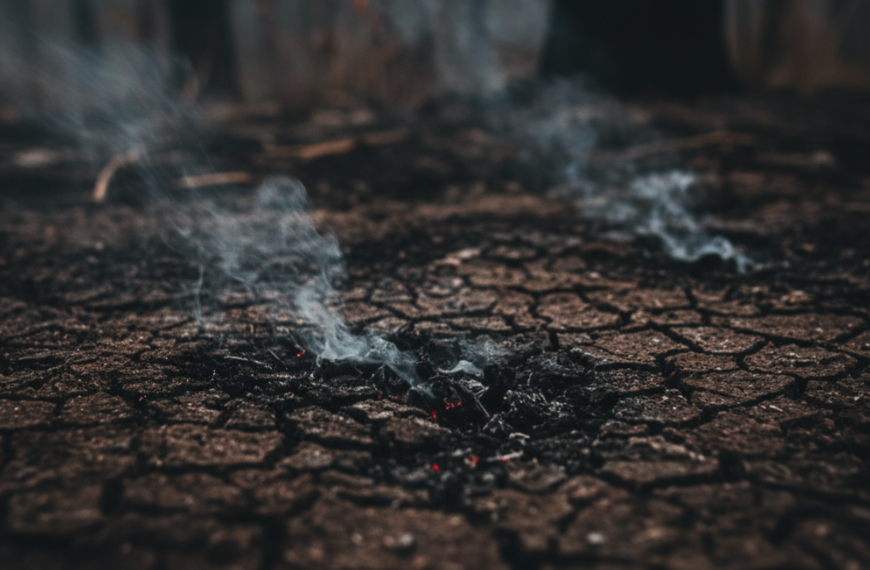
Envisioning Labs is tackling underground ‘zombie fires’. Source: Envisioning Labs
Wildfire Management is a Hard(ware) Problem
As wildfire intensity increases, the gap between detection and suppression becomes more consequential. Minutes matter. Payload matters. Access matters. And those are fundamentally hardware problems.
Fireswarm Solutions operates jet-powered ultra heavy-lift aerial fire suppression drones. The decision for jet-power over electric was a matter of payload capacity: carrying less than 200–300 kg of water to a fire has limited impact, which means aerial systems need lifting power comparable to a small helicopter.
“We would welcome breakthroughs in battery technology,” said Alex Deslauriers, CEO & Co-Founder. “But for now, jet propulsion is the most practical way to deliver the payloads needed for effective wildfire suppression.”
Teva Zanker, Head of Hardware at Voxelis, explained that the company chose to build sensor and data systems that integrate with existing helicopters rather than developing entirely new aircraft. “It was a question of what real estate is already out there,” he said. “How can we augment it and tech-it-out, so that we can deploy quickly and scale?”
There are over 1,500 commercial helicopters operating across North America, but many still rely on relatively low-tech tools like radios and paper maps during firefighting operations. Voxelis’ product is a multi-sensor AI edge-computing platform that augments situational awareness and mission safety. The pitch is simple: better tools, same helicopters.
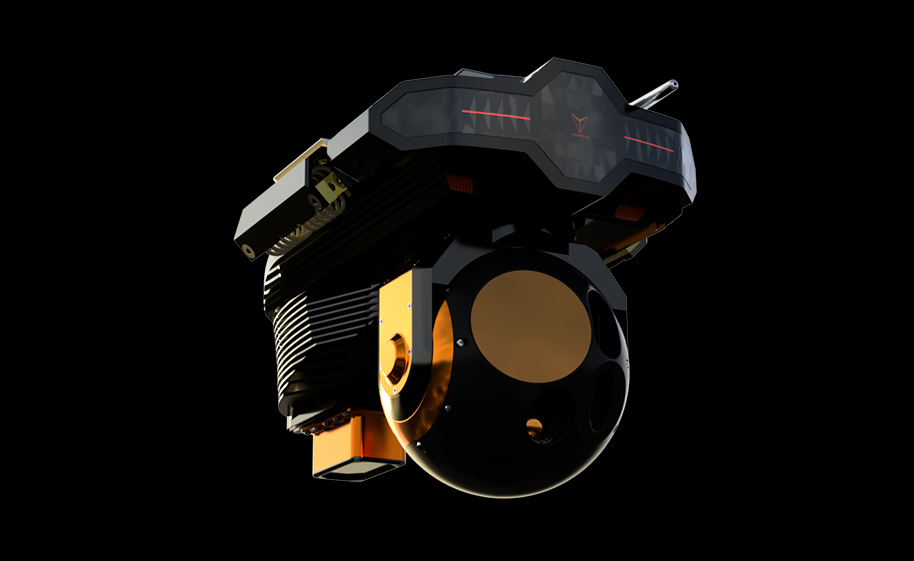
VoxVision is a helicopter mounted a multi-sensor AI edge-computing platform. Source: Voxelis
The Real Cost of Wildfires
“If I had a magic wand, I’d shift more capital toward prevention, recognizing that every dollar invested today can save multiple times that amount in avoided losses as wildfires become more frequent and severe,” said Scott Gingrich, Climate Tech Analyst at Evok Innovations. The 2024 Jasper wildfire caused insured losses of nearly $1.3 billion, making it one of Canada’s most expensive natural disasters. As wildfire risk continues to grow, a pressing question emerges: who is footing the bill for prevention?
“Every dollar invested in wildfire prevention can save up to $16 in response costs,” said Ashley Callister, Climate Tech Investment Lead at NorthX.
Utilities are a primary customer for firetech hardware startups. At California’s Pacific Gas and Electric Company (PG&E), wildfire-related costs now account for roughly a quarter (24%) of total revenue requirements. That shift has driven increased willingness to invest in both low-tech mitigation (like undergrounding lines) and higher-tech, innovative solutions.
It’s not just utilities anymore. Energy and mining companies are spending directly on detection and suppression. “We have customers in the energy and mining industries,” said Hamed Noori, CEO of Sensenet, who operate smoke detection drones and sensors. “Companies operating remote, wildfire-prone infrastructure face major risk of downtime and production losses, so they are taking more responsibility to spend directly on solutions.”
For hardware startup founders, this translates into a staged funding journey that begins with non-dilutive capital (grants and government funding, not equity) to prove your solution works; but in Canada, this journey can often be slow due to smaller budgets for experimentation. In a recent XPRIZE demonstration, Fireswarm deployed a quadcopter capable of carrying 400 kg of water. Despite the proven technology, FireSwarm’s capital raised to date is <$1M. Their US competitor Seneca, an AI-powered autonomous suppression drone startup which uses electric power, has raised over $60M, the largest venture round in firetech to date. That gap isn’t a reflection of the technology; it’s a reflection of where the capital is.
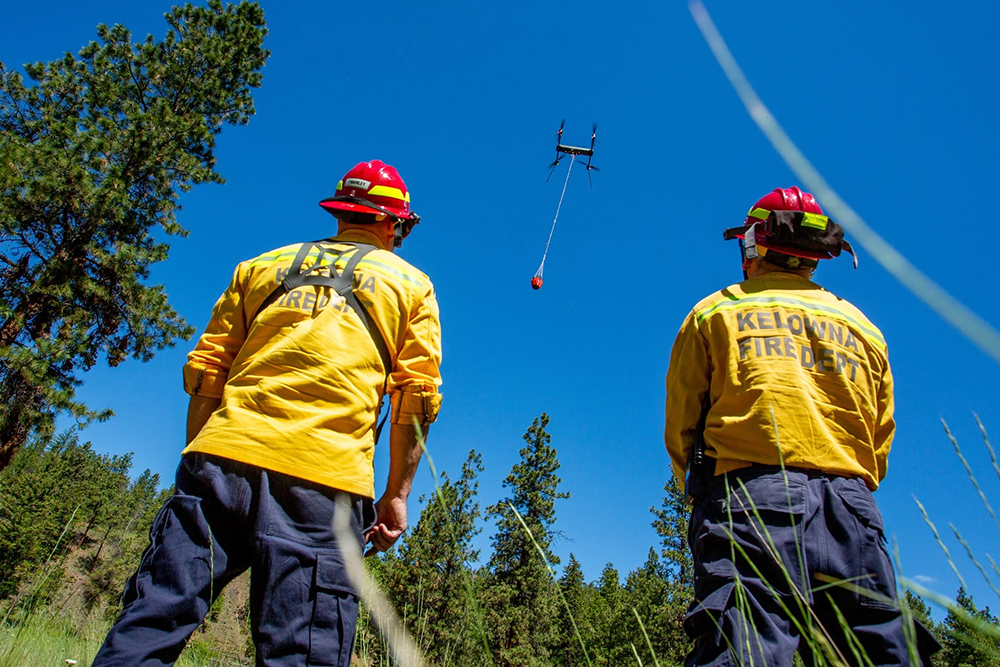
Kelowna fire department test driving FireSwarm’s drone technology. Source: FireSwarm Solutions
Getting Into the Field (and Forest)
Even with growing demand, there are operational, regulatory, and cultural realities to face when deploying firetech in the field. For Indigenous communities, whose territories and cultural practices are directly tied to the land, the stakes go beyond structures and evacuation orders.
“You can’t simply show up at an active wildfire and say, ‘Here’s my drone, I’m just going to launch it,'” said Gingrich. Successful deployment requires working with local partners in tandem. One successful example is Wildfire Robotics, who collaborated with First Nations Emergency Services (FNESS) to test technology during their cultural burning practices.
On a national scale, programs like the XPRIZE Canada Hub and Conservation X Labs do an excellent job supporting early-stage innovation. But in British Columbia specifically, the challenge is finding partners willing to take on the risk of real-world deployment. Innovate BC is also developing an integrated marketplace for forest management and wildfire solutions, an effort that could cut the time between a working prototype and a real-world deployment.
CapEx-heavy industries are slowest to adopt new technologies, a pattern explored in MistyWest’s previous HardTech Forum, Cracking CapEx Heavy Industries: From Red Tape to Green Lights.
“Hesitancy to deploy new sensing technologies isn’t about a lack of interest,” said Mike Guite, Director of Transmission Asset Planning at BC Hydro. “It’s about scale, cost, and readiness.” Operating tens of thousands of kilometres of transmission and distribution infrastructure means even small deployments quickly become major investments, all while affordability remains a core mandate.
As a result, BC Hydro typically won’t deploy new technologies until they’re ready to deliver value at scale. While the utility actively uses advanced remote sensing, such as satellite-based vegetation analysis, AI-driven prioritization tools, and LiDAR scanning. new solutions must fit cleanly into existing workflows.
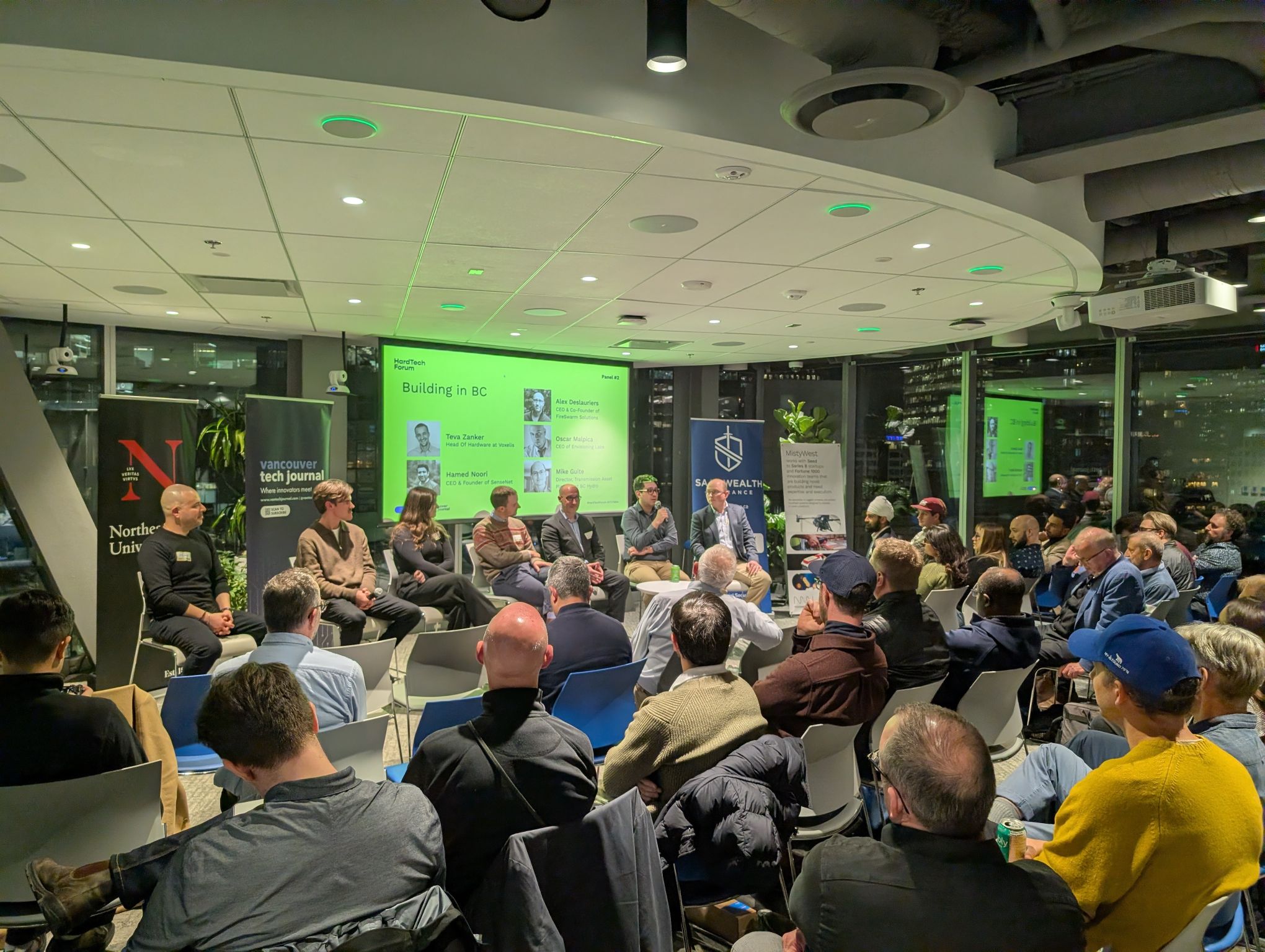
L to R: Oscar Malpica, Scott Gingrich, Ashley Callister, Teva Zanker, Alex Deslauriers, Hamed Noori and Mike Guite
Three Pillars of Safer Summers
Events like the 2024 Jasper wildfire underscore why investment in hardware-based firetech is critical. But effective wildfire management starts long before a fire ignites, it requires structural change, not just better response.
First, prevention needs its own mandate. Governments require dedicated institutions, funding, and accountability focused on reducing fire risk before it becomes an emergency.
Second, prevention only works if there’s a financial incentive to invest. Insurance can play a key role by lowering costs for homeowners, utilities, and land managers who take proactive steps like prescribed burning, early detection, and creating defensible space, i.e. clearing buffers around structures that slow fire spread.
Third, resilience must be built at the community and landscape level. Fire-resilient communities create the conditions needed to safely reintroduce cultural and prescribed burning, helping restore more natural fire cycles.
Early detection and intelligent monitoring can reduce fire spread, protect communities, and limit environmental and economic damage. The goal isn’t to eliminate wildfire entirely, but to move toward moderately smoky summers, rather than increasingly uninhabitable ones.
Want to be in the room for the next HardTech Forum? Sign up for the MistyWest Community newsletter to be first to hear about upcoming events.